
Audio piece
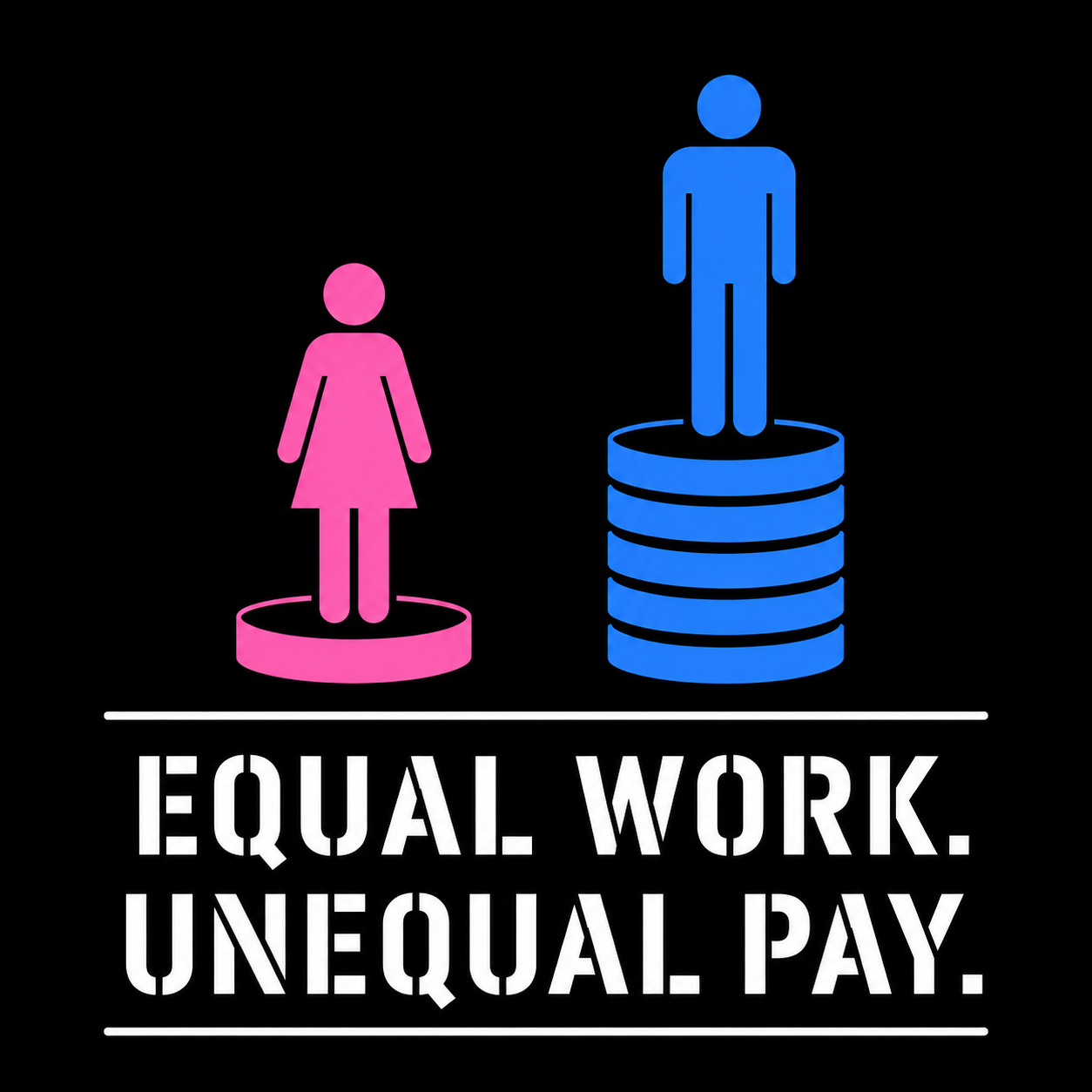
An interview with Dr. Michaela Guthridge, Ph.D. on the neurological roots of the gender pay gap
Dr. Michaela Guthridge, Ph.D. is an International Women & Girls's Rights Advocate, Empathy Expert, Strategic Thinker, and Social Innovator with 17 years' experience in global social justice research and advocacy. As Senior Policy & Research Officer at SNAICC - National Voice for our Children and former Research Officer at the National Centre for Action on Child Sexual Abuse, she explains how unconscious biases in the brain snowball into societal devaluation of women's work -and how we can retrain our minds to close the gap.
View interview summary
What we asked
Does the pay gap begin before pay itself? Why is care and emotional labour treated as "natural" instead of skilled? How can communities make invisible work visible? How does the gap shape what women and girls imagine is possible?
Key Outcomes
Dr. Michaela Guthridge explained the gender wage gap as rooted in neurological unconscious biases that snowball into societal devaluation of women's work, rather than starting at the macro societal level. She emphasized that addressing the gap requires retraining individual brains to form positive associations with women and work, not just policy changes.
Core Insights
Root Cause: Unconscious Bias - The wage gap originates in the brain's discriminatory processes that form unconscious biases about women's value, which evolve into stereotypes and sexism. These biases lead society to view women's work as "natural" and therefore economically undervalued.
Economic Devaluation of Care Work - Women's care and emotional labor face economic undervaluing facilitated by unconscious biases that consider such work natural rather than skilled. The question of why only women have "moral obligations" for care work is itself problematic - fathers equally have moral implications for caring responsibilities.
Effective Intervention: Making Invisible Labor Visible - A Nepal research project successfully changed community attitudes by having women document all unpaid care responsibilities on top of paid work. When presented to men in the community, this documentation created an "eye-opener" moment that led to new understanding of respect and equality.
Path Forward: Brain Retraining Strategy - Solution requires retraining the brain to create positive associations when seeing women and work, rather than negative ones. Focus on enabling girls to imagine education, employment, and contributions beyond the lowest economic rungs.
Key Takeaway
The pay gap is not just a number. It is a system of learned devaluation. Small unconscious biases can snowball into stereotypes, sexism, and systems. Closing the gap requires policy correction and retraining how society values women's work.